
"Pearl Skin"
100 article(s) found

Introduction to the characteristics of Rwanda Coffee Bean Flavor Manor producing area Coffee growing Environment in Rwanda
Rwandans have been growing coffee since colonial times, but until 1999, its products were still classified as below Class C and were not popular in the global market. The reason for the poor quality is that farmers do not have a fixed procedure for washing coffee beans and do not process coffee fruits according to specifications in time. Buyers buy coffee beans at $0.33 per kilogram, and farmers keep warm by the meagre profits earned at low prices.
History of coffee in Rwanda
In 1999, 220 coffee growers formed guilds in the Malaba area (formerly part of Butare province) to address the disease. Among the guild members, many farmers were separated from their loved ones by the 1994 mass massacre, while some husbands were jailed or were taken to the traditional Gacaca Court (gacaca) to face trial on charges of participating in the massacre. They named the guild Abauza.

The Historical Origin of Rwandan Coffee
Historical editors originate that Rwandans have been growing coffee since colonial times, but until 1999, its products were still classified as below Class C and were not popular in the global market. The reason for the poor quality is that farmers do not have a fixed procedure for washing coffee beans and do not process coffee fruits according to specifications in time. Buyers buy coffee beans at $0.33 per kilogram, which farmers earn at low prices.

Introduction to the producing area of Malaba Coffee Flavor Manor
In 2000, the Mayor of Malaba requested development assistance from the National University of Rwanda (UNR), which is located near the city of Butare, and the following year, the National University of Rwanda assisted in the establishment of the Joint strengthening Rwanda Agricultural Partnership (PEARL). PEARL is also supported by several organizations: the United States Agency for International Development (USAID), Michigan State University, Texas A & M University, and

Introduction to Rwanda Malaba Coffee grown in fertile volcanic soil on high-altitude hills
In 2000, the Mayor of Malaba requested development assistance from the National University of Rwanda (UNR), which is located near the city of Butare, and the following year, the National University of Rwanda assisted in the establishment of the Joint strengthening Rwanda Agricultural Partnership (PEARL). PEARL is also supported by several organizations: the United States Agency for International Development (USAID), Michigan State University, Texas A & M University, and

For Rwandan coffee beans, it is better to buy raw beans or roasted beans.
Rwandans have been growing coffee since colonial times, but until 1999, its products were still classified as below Class C and were not popular in the global market. The reason for the poor quality is that farmers do not have a fixed procedure for washing coffee beans and do not process coffee fruits according to specifications in time. Buyers buy coffee beans at $0.33 per kilogram, and farmers keep warm by the meagre profits earned at low prices.

Introduction of washed Rwanda coffee beans classification of fine coffee
Rwandans have been growing coffee since colonial times, but until 1999, its products were still classified as below Class C and were not popular in the global market. The reason for the poor quality is that farmers do not have a fixed procedure for washing coffee beans and do not process coffee fruits according to specifications in time. Buyers buy coffee beans at $0.33 per kilogram, and farmers keep warm by the meagre profits earned at low prices.

The origin of coffee beans in Rwanda Coffee bean powder is too weak.
The Rwandans of origin have been growing coffee since colonial times, but until 1999, its products were still classified as below Class C and were not popular in the global market. The reason for the poor quality is that farmers do not have a fixed procedure for washing coffee beans and do not process coffee fruits according to specifications in time. Buyers buy coffee beans at $0.33 per kilogram, and farmers rely on the meagre profits earned at low prices.

Description of flavor and flavor of suntanned pearl coffee in La Lajas Manor, Costa Rica
For the exchange of professional baristas, please follow the coffee workshop (Wechat official account cafe_style) Las Lajas Estate Perla Negra country: Costa Rica name: Ras Lajas Manor Black Pearl producing area: central Valley Grade: SHB treatment method: sun treatment altitude Rice: 1300-1500 m Variety: Caturra Catuai Flavor description: berry, Pomegranate, Hot
Boutique coffee Rwanda coffee origin Rwanda coffee practice
Rwandans have been growing coffee since colonial times, but until 1999, its products were still classified as below Class C and were not popular in the global market. The reason for the poor quality is that farmers do not have a fixed procedure for washing coffee beans and do not process coffee fruits according to specifications in time. Buyers buy coffee beans at $0.33 per kilogram, and farmers keep warm by the meagre profits earned at low prices.
Boutique Coffee Rwanda Coffee Manor 1756 members small farmers
Rwandans have been growing coffee since colonial times, but until 1999, its products were still classified as below Class C and were not popular in the global market. The reason for the poor quality is that farmers do not have a fixed procedure for washing coffee beans and do not process coffee fruits according to specifications in time. Buyers buy coffee beans at $0.33 per kilogram, and farmers keep warm by the meagre profits earned at low prices.

Introduction to the flavor and taste of Rwanda boutique coffee Malaba coffee
After the washed coffee beans are air-dried on the net rack, after washing the coffee beans many times to completely remove the remaining skin and sugary outer layer, the coffee beans are put into the sheltered rack to air-dry. Cooperative staff regularly flip coffee beans, while technicians continue to look for and pick out poor quality coffee beans. The two-week drying process takes place in the sun (preparing mulch in case of rain), but not
Fine coffee Rwanda Coffee introduces the characteristics of Rwanda Coffee
Rwandans have been growing coffee since colonial times, but until 1999, its products were still classified as below Class C and were not popular in the global market. The reason for the poor quality is that farmers do not have a fixed procedure for washing coffee beans and do not process coffee fruits according to specifications in time. Buyers buy coffee beans at $0.33 per kilogram, and farmers keep warm by the meagre profits earned at low prices.

Boutique coffee Rwanda coffee flavor red apple, cherry, cinnamon, honey
Rwandans have been growing coffee since colonial times, but until 1999, its products were still classified as below Class C and were not popular in the global market. The reason for the poor quality is that farmers do not have a fixed procedure for washing coffee beans and do not process coffee fruits according to specifications in time. Buyers buy coffee beans at $0.33 per kilogram, and farmers keep warm by the meagre profits earned at low prices.
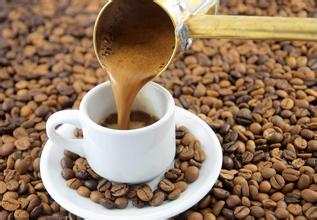
Boutique coffee Rwanda coffee producing area in the western province of Lutexilo
Rwandans have been growing coffee since colonial times, but until 1999, its products were still classified as below Class C and were not popular in the global market. The reason for the poor quality is that farmers do not have a fixed procedure for washing coffee beans and do not process coffee fruits according to specifications in time. Buyers buy coffee beans at $0.33 per kilogram, and farmers keep warm by the meagre profits earned at low prices.

Fine coffee Rwanda coffee processing method Processing method Washing, elevated shelf drying
Rwandans have been growing coffee since colonial times, but until 1999, the product was classified as below grade C and was not available on the global market. The reason for the poor quality is that farmers do not have a fixed procedure for cleaning coffee beans, and they do not process coffee fruits according to specifications in time. Buyers pay $0.33 a kilo for coffee beans, farmers keep warm on the meager margins they earn at low prices

An introduction to the characteristics of the manor producing area with a rich taste of Rwanda boutique coffee
Rwandans have been growing coffee since colonial times, but until 1999, its products were still classified as below Class C and were not popular in the global market. The reason for the poor quality is that farmers do not have a fixed procedure for washing coffee beans and do not process coffee fruits according to specifications in time. Buyers buy coffee beans at $0.33 per kilogram, and farmers keep warm by the meagre profits earned at low prices.

Description of flavor of coffee beans in Rwanda introduction of grinding scale of taste treatment method in manor area
Rwanda is a small African country, and the local people are relatively poor, but it produces straight and very good coffee. Unlike its neighbors Kenya and Ethiopia, Rwanda's coffee is mainly round bourbon. The taste is not as prominent as Ethiopia and Kenya, but the evenness is excellent. Karnogi coffee in Rwanda is grown and harvested by local small farmers and is produced by Git

Boutique coffee Rwanda coffee origin Rwanda coffee practice
Rwandans have been growing coffee since colonial times, but until 1999, its products were still classified as below Class C and were not popular in the global market. The reason for the poor quality is that farmers do not have a fixed procedure for washing coffee beans and do not process coffee fruits according to specifications in time. Buyers buy coffee beans at $0.33 per kilogram, and farmers keep warm by the meagre profits earned at low prices.
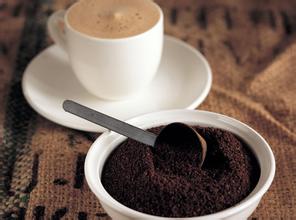
Fine coffee Rwanda Coffee characteristics introduction to Rwanda Coffee
Rwandans have been growing coffee since colonial times, but until 1999, its products were still classified as below Class C and were not popular in the global market. The reason for the poor quality is that farmers do not have a fixed procedure for washing coffee beans and do not process coffee fruits according to specifications in time. Buyers buy coffee beans at $0.33 per kilogram, and farmers keep warm by the meagre profits earned at low prices.